October 9, 2026
A restaurant supply purchase can affect far more than the space a product occupies. An appliance influences production, a plate shapes presentation, and a storage rack changes how easily employees reach everyday essentials. Choosing a supplier means considering how its products and guidance will support the operation once service begins.
The right local restaurant supply store should make those decisions clearer. A useful conversation connects the menu, service volume, available space, and purchasing timeline with suitable options. Selection matters, but so does the ability to explain specifications, coordinate an order, and describe what happens after delivery.
A Selection That Matches the Operation
Product variety is useful when it reflects the establishment's needs. A cafe preparing a limited breakfast menu has different requirements from a kitchen producing meals throughout the day. The supplier's range should make it possible to discuss suitable equipment without pushing every operation toward the same setup.
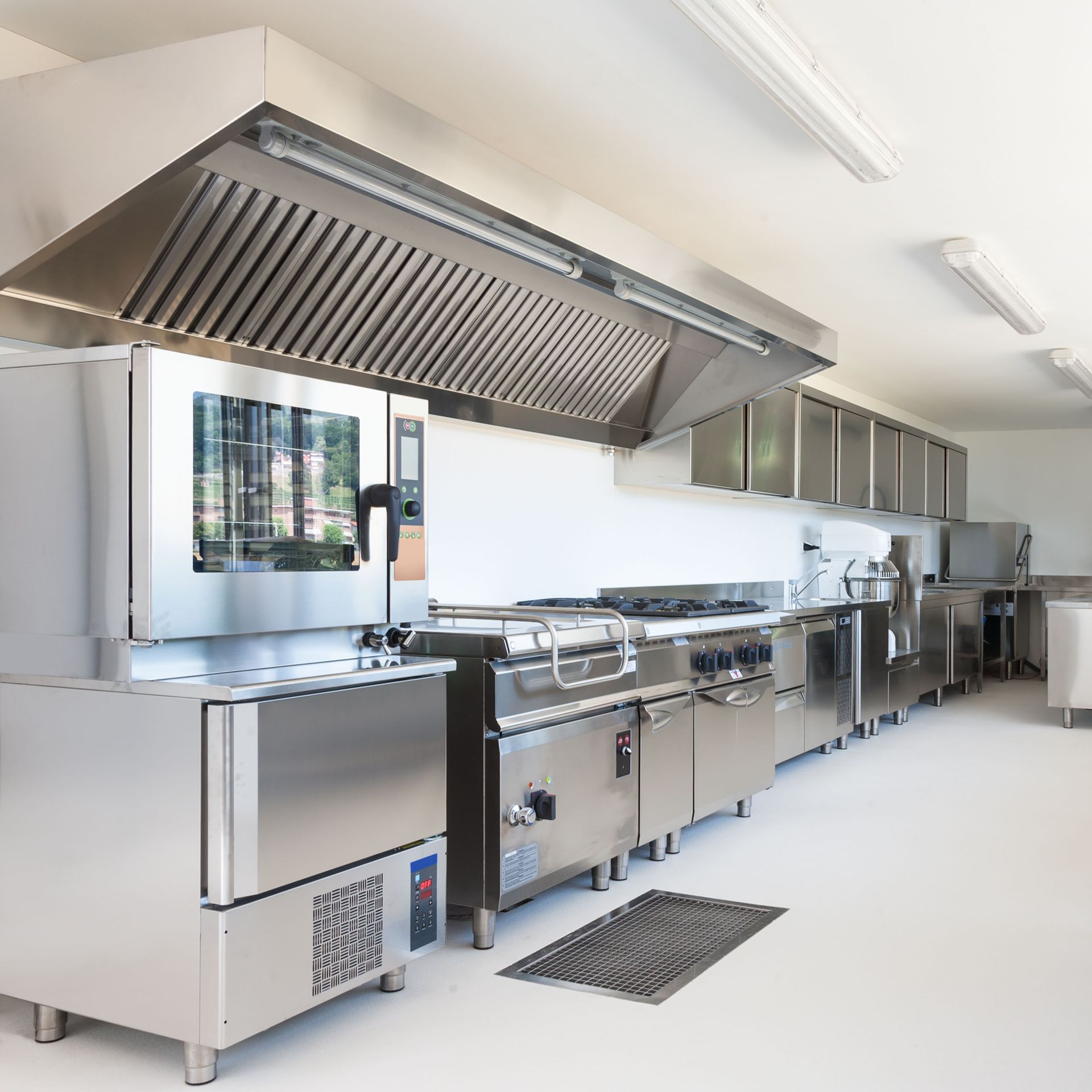
Cooking equipment, refrigeration, prep tools, and storage products serve related purposes within a working kitchen. Access to those categories allows individual purchases to be considered in context. A new appliance may also affect the shelving, preparation space, or utensils used around it, so the surrounding workflow deserves attention.
For dining rooms and buffet service, the selection should extend to the items guests and employees handle regularly. Plates, glassware, serving pieces, and holding equipment need to suit the service format. A well-matched assortment makes the local restaurant supply store useful for coordinated purchases as well as replacing individual essentials.
Guidance Grounded in Real Kitchen Requirements
Knowledgeable product guidance begins with questions about how equipment will be used. Menu demands, peak service volume, and available space help explain which specifications matter. Recommendations become more useful when the supplier connects those details with the differences between models rather than relying on brand names alone.
Dimensions and utility requirements deserve particular attention before major equipment is ordered. An appliance must fit the intended position and be compatible with the site's available connections. Doorways, hallways, and the route into the kitchen can also affect whether a selected unit can reach its final location.
When standard equipment leaves a layout problem unresolved, custom stainless fabrication may provide a suitable preparation table, counter, or shelving arrangement. A local restaurant supply store with that capability can discuss how a tailored piece relates to the rest of the kitchen. The value lies in making the layout work for the operation, with product dimensions and intended use considered together.
Equipment That Supports Temperature Control
Refrigeration deserves more consideration than finding enough room for ingredients. Its capacity and configuration need to suit the volume being stored and the way employees access it throughout service. Equipment selection should support consistent cold storage under the demands of the particular operation.
According to the U.S. Food and Drug Administration, refrigerators should consistently remain at 40°F or colder to support safe food storage. That temperature guidance makes refrigeration performance a meaningful part of supplier selection. A local restaurant supply store should be able to discuss relevant product specifications and help operators identify equipment appropriate for their storage needs.
Food service also involves temperature control beyond refrigerated storage. Holding cabinets and buffet equipment serve different purposes, so their suitability should be considered in relation to the intended service. Clear explanations help operators distinguish equipment for storage, holding, and presentation. The supplier's role is to support informed product selection while food handling and temperature monitoring remain part of the establishment's daily responsibilities.
Products Suited to Repeated Daily Use
Commercial service places repeated demands on equipment and tabletop items. Dinnerware moves between tables, washing, and storage, while preparation tools may be handled throughout the day. Products need to suit that pattern of use, with construction and material choices considered alongside appearance.
For dinnerware, size affects portion presentation and storage, while shape influences how pieces stack. Material compatibility with the establishment's intended use also matters. A plate that looks attractive in isolation may be inconvenient if it occupies too much shelf space or does not suit the operation's washing routine.
Similar questions apply to small appliances and storage equipment. Capacity, dimensions, and intended commercial use help determine whether an item fits the workload. Detailed product information from a local restaurant supply store allows operators to evaluate those qualities before committing to a purchase. Useful comparisons explain how a product's construction suits the establishment's workload.
Clear Information About Availability and Special Orders
An extensive product range does not mean every item is immediately available. Operators benefit from knowing whether a product is in stock, needs to be ordered, or requires custom fabrication. Those distinctions affect how a purchase fits into an opening, planned upgrade, or replacement schedule.
A dependable supplier should communicate expected timing and explain which parts of the order influence it. A standard item and a custom configuration may follow different procurement paths. When several products are ordered together, clear information about their availability helps the operator understand whether they will arrive at the same time.
Special-order capabilities are particularly useful when a kitchen needs a specific model or configuration. The local restaurant supply store should discuss the requested specifications and keep communication clear as the order progresses. Alternatives may be worth considering when they meet the same operational requirements, but the differences should be explained. That conversation allows the establishment to make a deliberate selection without confusing availability with suitability.
Delivery Details That Support the Plan
Delivery is part of the purchasing decision, especially for heavy commercial appliances. Transporting a range or refrigerator into a working kitchen requires attention to the building's access and the planned equipment location. Those arrangements deserve discussion before delivery day, when resolving an unexpected obstacle may disrupt other work.
Set-in-place service can help coordinate where equipment is positioned after arrival. Operators should understand what that service includes and how it relates to any final utility connections that must be arranged. Placing an appliance and completing its connections are separate tasks, so clarity about responsibilities makes the transition into use easier to plan.
Delivery timing also affects the people preparing the space. An opening schedule or equipment change may involve several activities that depend on the product's arrival. Accurate expectations help the operator coordinate access and readiness. The most useful delivery discussion covers the actual order and site conditions instead of assuming that every product follows an identical schedule.
Policies That Are Easy to Understand
Return policies and manufacturer warranties deserve attention before the order is finalized. Their usefulness depends on clear terms, including what documentation is required and how the conditions apply to the product being purchased. A general statement that an item is covered leaves important practical questions unanswered.
Operators should be able to discuss the return window and any conditions affecting eligibility. Special orders and custom products may have different terms, making an early explanation especially valuable. Warranty information should also identify the relevant manufacturer coverage and the process for raising a concern.
Clear communication about those matters helps establish a workable relationship with the supplier. The operator knows where to bring product questions, and the supplier understands the intended use behind the purchase. That continuity can be useful when the establishment later needs matching tabletop items, additional storage, or equipment suited to a changed menu.
A productive supplier relationship makes purchasing decisions easier to connect with the realities of restaurant service. Its value continues as the operation's needs change and new questions arise about the products it uses. At D.A. Berther, Inc., we provide restaurant supplies and commercial equipment with product-selection guidance, special-order options, and delivery. Contact us to discuss the supplies and equipment that fit your operation.