August 11, 2026
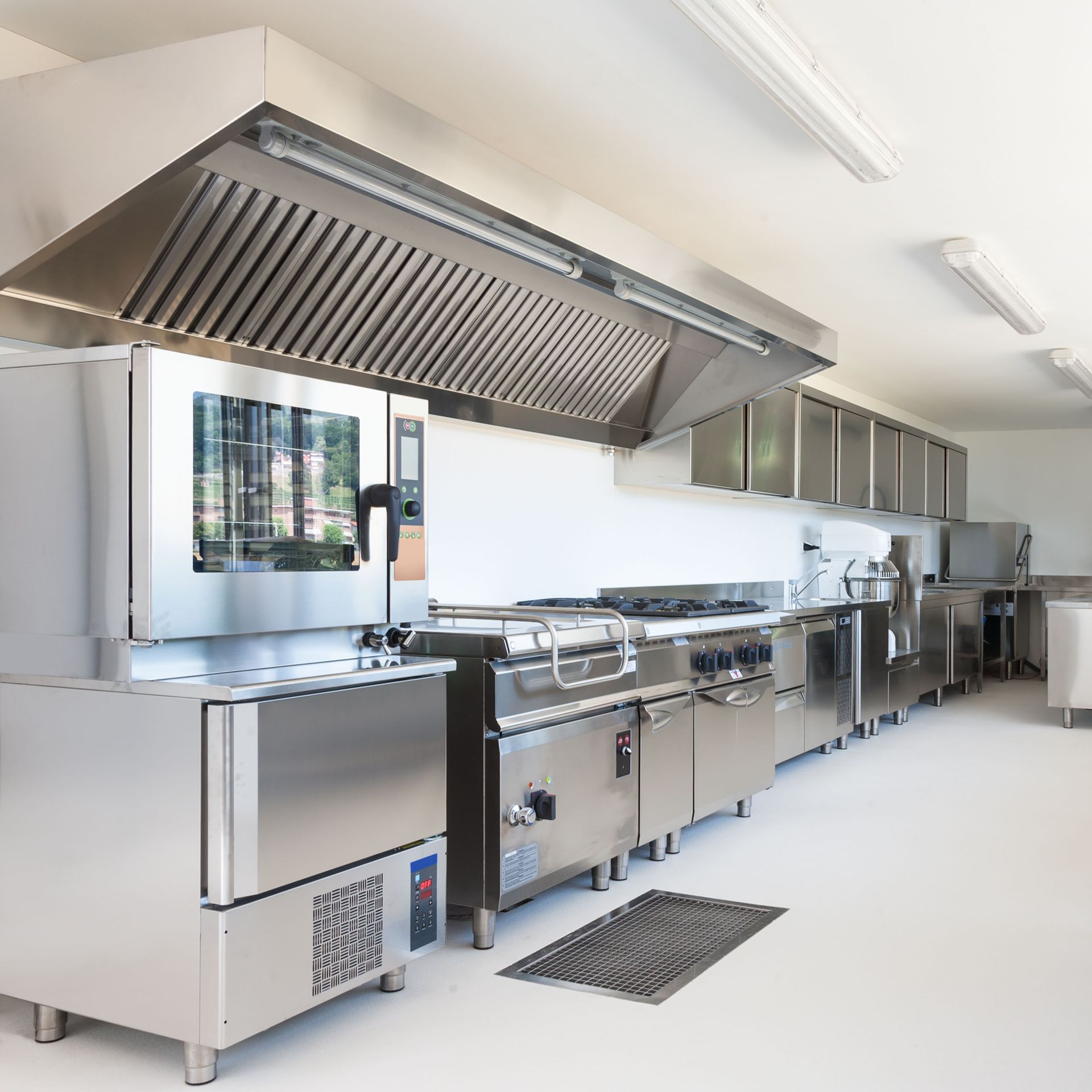
Launching or managing a successful culinary business requires far more than creative menus and talented kitchen personnel. Behind every seamlessly executed dinner service is an intricate network of reliable tools, robust heavy machinery, specialized cookware, and essential front-of-house tabletop items. Because the commercial kitchen environment operates under intense pressure, tight profit margins, and rigorous municipal health standards, sourcing high-performance commercial cooking equipment is a foundational operational step. Partnering with the right local restaurant supply store can make all the difference between a thriving culinary operation that meets health codes effortlessly and an establishment plagued by sudden equipment failures, costly repair delays, and supply chain bottlenecks. Knowing what key attributes, service offerings, inventory depths, and quality indicators to evaluate empowers restaurant owners, head chefs, and general managers to make smart procurement choices that protect their bottom line, enhance productivity, and keep their kitchens running smoothly every single day.
Understanding the Importance of a Reliable Supplier
In the fast-paced food service industry, unexpected equipment downtime and inventory shortages can halt operations instantly, leading to lost revenue, wasted perishable ingredients, and dissatisfied guests. When a critical line cook station fails during peak weekend dinner hours or a dishwasher runs out of sanitation chemicals, having immediate access to replacements is essential. Finding a trusted local restaurant supply store ensures that your kitchen runs without interruption by providing convenient, fast access to essential tools, emergency replacement parts, and daily consumables. Beyond mere convenience, establishing a long-term partnership with a local vendor fosters personalized service tailored to your specific culinary concept. Local suppliers understand regional health regulations, neighborhood delivery logistics, and market demands far better than distant online mega-retailers. They can offer tailored recommendations on durable commercial cooking equipment based on your kitchen's physical footprint, utility hookups, and production volume. Furthermore, direct face-to-face relationships often yield flexible credit terms, priority delivery schedules, and direct assistance when unexpected equipment emergencies arise. Investing time in selecting a dependable supply partner creates a strong operational backbone that supports daily kitchen efficiency and long-term commercial growth.
Evaluating Product Range, Inventory Depth, and Quality
A premier supplier must offer a broad, high-quality inventory that caters to both front-of-house aesthetics and back-of-house utility. A high-caliber local restaurant supply store carries everything from heavy-range stoves, deep fryers, and stainless steel prep tables to durable glassware, chef knives, storage boxes, and eco-friendly takeout containers. When evaluating potential vendors, carefully examine the brands they carry to ensure they stock recognized, commercial-grade manufacturers built to endure daily high-volume use. Residential-grade appliances and thin retail cookware simply cannot survive the relentless heat, moisture, and impact of a professional kitchen. Sourcing your primary commercial cooking equipment from vendors that maintain versatile inventory lines allows you to acquire daily disposables and heavy machinery under one roof. Additionally, inquire whether the supplier maintains steady stock levels for high-turnover items like poly-top cutting boards, sanitation buckets, squeeze bottles, and food storage bins. Having a single, comprehensive source simplifies bookkeeping, reduces shipping friction, eliminates multiple vendor delivery fees, and streamlines your overall reordering workflow for maximum convenience and operational consistency across your entire facility.
Prioritizing Food Safety, Compliance, and Health Codes
Food safety remains the single most critical priority for any food service operation, as a single temperature failure or sanitation violation can compromise public health, incur heavy fines, and destroy a brand's reputation. Commercial refrigeration units, prep tables, and hot-holding cabinets must perform flawlessly under constant opening and closing throughout a busy shift. According to guidelines established by the U.S. Food and Drug Administration, commercial refrigeration units in food service establishments are required to hold internal temperatures at or below 40 °F to maintain proper food safety standards. Purchasing verified, commercial-grade cooling units alongside compliant commercial cooking equipment is vital for regulatory adherence and food preservation. Working alongside an experienced local restaurant supply store gives operators confidence that their cooling, heating, and sanitation equipment meets all local and national health codes. Quality vendors stock National Sanitation Foundation (NSF) certified equipment, which guarantees that materials, designs, and manufacturing processes adhere to strict hygiene and cleanability criteria. Prioritizing compliant gear protects your customers, enhances food quality, and safeguards your business against unexpected health inspections.
Balancing Upfront Costs, Financing, and Delivery Logistics
Managing capital expenditure is a constant challenge for food service operators, particularly when outfitting a new location or upgrading major cooking lines. While competitive pricing is essential, the cheapest upfront quote does not always represent the best long-term financial value. Inferior equipment often leads to higher utility bills, frequent breakdown repairs, and premature replacement. When you establish a relationship with a local restaurant supply store, you gain access to transparent pricing structures, bulk purchase discounts, and flexible financing options that ease initial cash flow burdens when buying essential commercial cooking equipment. Many top-tier vendors offer lease-to-own programs or structured financing plans for capital-intensive purchases like walk-in freezers, ice machines, and combi ovens. Additionally, consider the supplier's logistics capabilities before making a purchase. Local delivery options, white-glove installation, equipment uncrating, and old appliance haul-away services save your staff valuable labor hours and prevent accidental installation damage. Evaluating the total cost of ownership—including delivery fees, warranty coverage, energy efficiency ratings, and payment terms—ensures that your equipment investments remain financially sustainable over time.
Customer Support, Technical Expertise, and Warranty Coverage
The commercial kitchen industry thrives on rapid resolution, making post-purchase customer support a decisive factor when selecting a vendor. A dedicated local restaurant supply store provides ongoing technical advice, helping kitchen managers troubleshoot operational challenges, locate hard-to-find replacement components, and optimize equipment placement. Staff expertise is equally valuable; knowledgeable sales representatives can guide you toward energy-efficient models of commercial cooking equipment that qualify for local utility rebates or reduced operating costs. Before making major commitments, review the warranty coverage offered on major equipment and clarify whether the vendor handles warranty service claims directly or coordinates with factory-certified local technicians. A supplier that stands firmly behind its product catalog and provides responsive field service minimizes operational risk, reduces frustrating kitchen downtime, and keeps your culinary team focused on crafting exceptional food for your patrons.
Assessing Layout Planning, Customization, and Sustainability Services
Beyond selling physical products, leading equipment vendors offer specialized value-added services that enhance commercial kitchen design and sustainability. Outfitting a commercial kitchen requires optimizing workflow geometry to ensure smooth movement between receiving, prep, cooking, plating, and dishwashing stations. Experienced supply partners often provide CAD layout design services, helping you maximize every square foot of kitchen space while ensuring proper ventilation, electrical hookups, and plumbing placement for all heavy apparatus. Furthermore, modern food service businesses increasingly prioritize environmental sustainability. Top suppliers guide operators toward Energy Star-rated appliances, water-efficient spray valves, and biodegradable packaging solutions that reduce environmental impact while lowering long-term operating overhead. Choosing a forward-thinking supplier that offers comprehensive design expertise and eco-friendly options helps future-proof your food service operation for years to come.
Selecting a dependable local restaurant supply store lays the groundwork for culinary success, daily operational efficiency, and long-term commercial profitability. By thoroughly evaluating product depth, equipment compliance, delivery services, and ongoing customer support, food service operators can build a resilient kitchen capable of handling high-volume demands effortlessly. Partnering with industry experts ensures that your facility remains fully compliant with strict health regulations while operating smoothly under pressure. When outfitting your commercial kitchen or upgrading your line with high-performance commercial cooking equipment, choose a trusted local partner committed to supporting your business every step of the way. Contact your local equipment specialists today to discuss your kitchen needs.